There’s now over 1 million full electric cars on the road, sales of EVs rose by 18% in 2023, and manufacturers like Volvo and Jaguar have stopped production of some petrol and diesel vehicles. It’s fair to say that electric cars are on the way up, but are they a good option for most of us?
Read on as we work through the pros and cons of electric vehicle ownership.
Charging ⚡️
When people talk about electric cars the conversation tends to swerve quickly into how to charge the car, how “slow” they think it will be, and a myriad of other misconceptions about charging an EV.
When thinking of buying an electric car it’s important to remember that the time it takes to charge will depend on the size of the car, much like it already does. Smaller petrol city cars won’t take as long as larger diesel saloon cars to fill up.
Another important factor is to remember that you refuel your EV very differently to how you would normally. Instead of stopping off at the petrol station and chucking 50 quid in the tank, you charge your EV one of two ways.
- Charge ‘somewhere’ overnight,
- Destination charging,
- A mixture of both.
1. Charge somewhere overnight
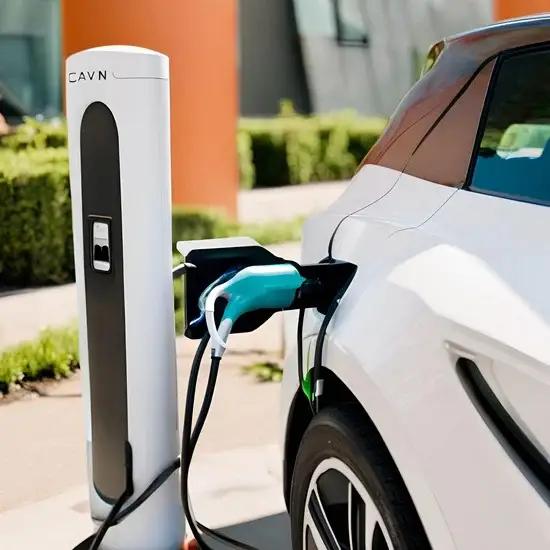
We say ‘somewhere’ simply because most conversations around overnight charging head towards the argument of “I don’t have a driveway” and while that’s valid, it’s important to remember that the charging infrastructure is growing. With councils installing on street chargers more and more by request, with parking specifically reserved for EVs you could end up with your own parking space…
Charging overnight will generally take your battery from its current state to 100% and ready to go by the time you set off. It’s easy enough to do too, plug it in, forget about it, unplug and drive. Imagine having a full tank of fuel every morning.
2. Destination charging
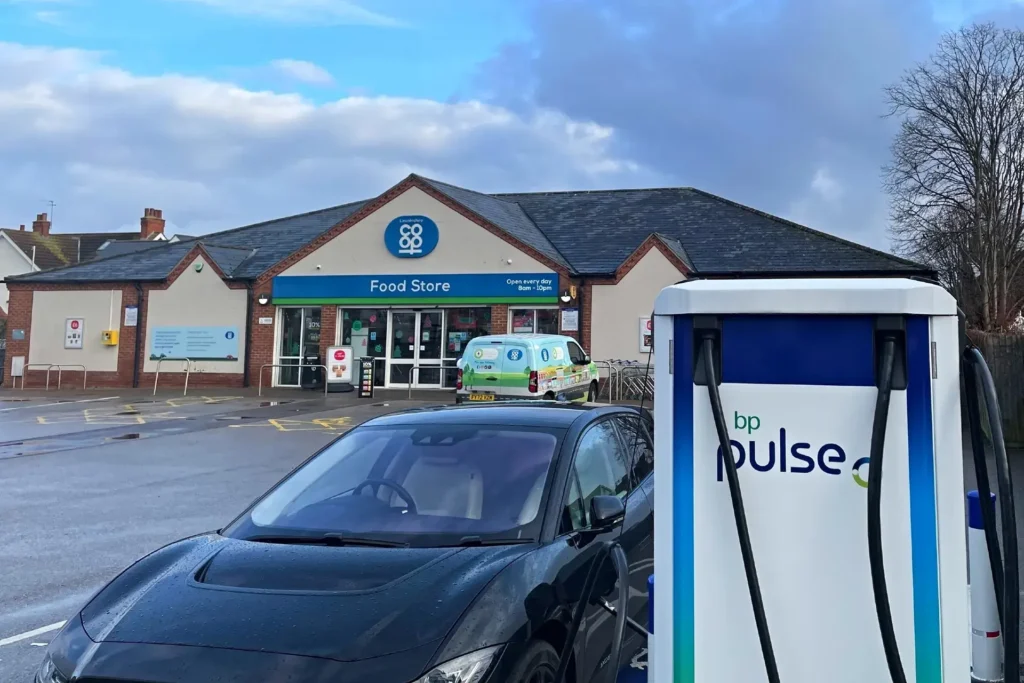
Destination charging is where you charge little and often. When you stop at the shops you plug in, when you stop at the office you plug in, when you go out for a meal you plug in, when you’re at an appointment you plug in, when you’re doing your big shop… you plug in. Destination charging is the general art of finding an available charging station and charging your car regularly throughout your day.
With apps like ZapMap it’s easy to find charging stations at your destination as well as along your route. Better yet the charging stations live update to let you know if they’re in use, the cost to use, how quickly they’ll charge your car, if there’s any known faults (normally updated by other EV drivers), as well as what type of plug you can use. In general charging stations will take contactless payments, but they will also provide their own app based payment solutions or some form of RFID membership card.
Charging Stations
Did you know that by the end of April 2024 there was a whopping 61,232 electric vehicle charging points across the UK, this was a 45% increase over April 2023. With approximately 50k petrol and diesel pumps in the UK that means there’s more places to charge your EV than fill up with fuel.
So when it comes to charging, it’s not so scary, in fact you’re probably closer to a charging point than a petrol station in most cases. And if worst comes to worst then you can always use a three pin charging cable… no honestly you can plug most EVs into a regular 3-pin socket. It’s known as trickle-charging, but in the community is more commonly known as granny charging.
Range 🗺️
Now that you’re all charged up how far can you go? Well, as with any car… it depends. A small city EV, such as a Renault Zoe, isn’t going to go as far as a larger saloon, like a Tesla Model S. In much the same way that an Aygo isn’t going to go as far as a Range Rover Sport on a full tank.
Range is getting better and better every year as battery and motor technologies develop. Below we’ve built a small table to give you an example of how far the most popular models go.
- Tesla Model S – 394mi (WLTP)
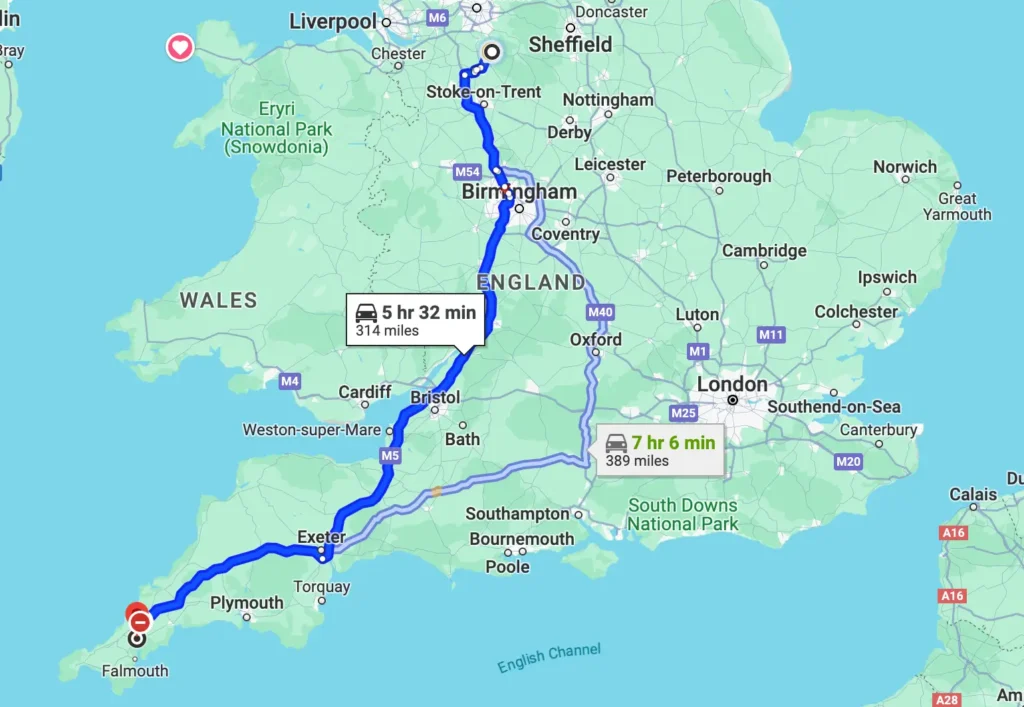
This could get you from Buxton to Penzance with some 70 miles of range left in the battery. - Nissan ARIYA – 330mi (WLTP)
This would get you from Knutsford to Truro with a bit of range left in the battery. - Hyundai Kona (Kia e-Niro) – 319mi (WLTP)
This would get you from Macclesfield to Plymouth with some range left in the battery. - Jaguar I-PACE – 292mi (WLTP)
This could get you from Alderley Edge to Canterbury with some battery left. - Nissan Leaf e+ n-connecta – 168mi (WLTP)
This could get you from Macclesfield to Edinburgh with some battery left. - Fiat 500-e – 118mi (WLTP)
This would get you from Macclesfield to Huddersfield and back again with a little range left in the battery.
WTH is WLTP?
You’ll start to see the terms WLTP more and more as you get more into electric cars, but what does this acronym mean?
It stands for Worldwide Harmonised Light Vehicle Test Procedure. The WLTP looks to provide a full test for new vehicles around power consumption under lab conditions giving you a great idea of how a vehicle will actually perform.
Destination charging
Contact Us
For general vehicle repairs, diagnostics, tyres, MOTs, dealer level servicing, and more you can contact CSG Automotive using the form or contact details below.
Based in Macclesfield we’re only a short distance from Knutsford, Wilmslow, and Alderley Edge.
- 01625 800 900
- info@csgautomotive.co.uk
- 1 Garden Street, Macclesfield, Cheshire, SK10 2QW
With our accident repair centre continently based in Macclesfield, we’re only a short distance from Knutsford, Alderley Edge.
You can get in touch with CSG Accident Repair Centre using the form or the contact details below.
- 01625 426 507
- info@csgautomotive.co.uk
Use this form to get in touch
Use this form to get in touch with general enquiries.
Opening Times
Monday – Thursday: 08:00 – 17:30
Friday: 08:00 – 16:30
Weekends & Bank Holidays: Closed